

The Open Science Encyclopedia

Knowledge at the
edge of discovery

A free, comprehensive encyclopedia covering all scientific disciplines — from quantum fields to evolutionary biology, with the depth of a textbook and the accessibility of an encyclopedia.

8,400+Articles
7Core disciplines
2,100+Scientists profiled
DailyNews updates
Scientific Disciplines
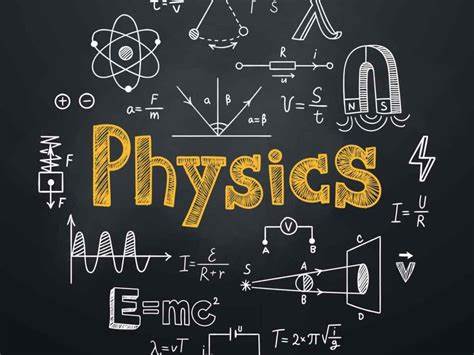
Physics
Physics
47 articles
From quantum fields to cosmic structure — the laws governing matter and energy.
Biology
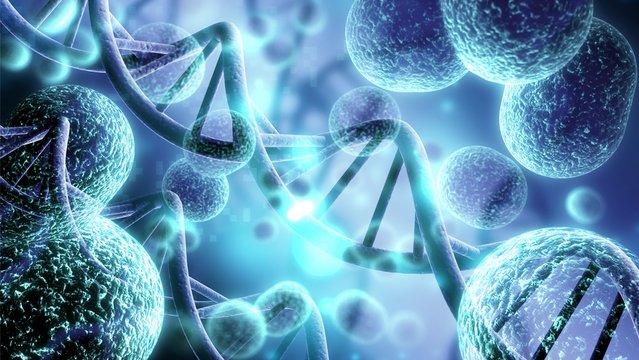
Biology
61 articles
Life, cells, genetics, evolution, and the molecular machinery of living systems.
Chemistry
Chemistry
38 articles
Atoms, molecules, reactions, and the transformation of matter at every scale.
Earth Science
Earth Science
29 articles
Our planet's geology, oceans, atmosphere, and changing climate system.
Space Science
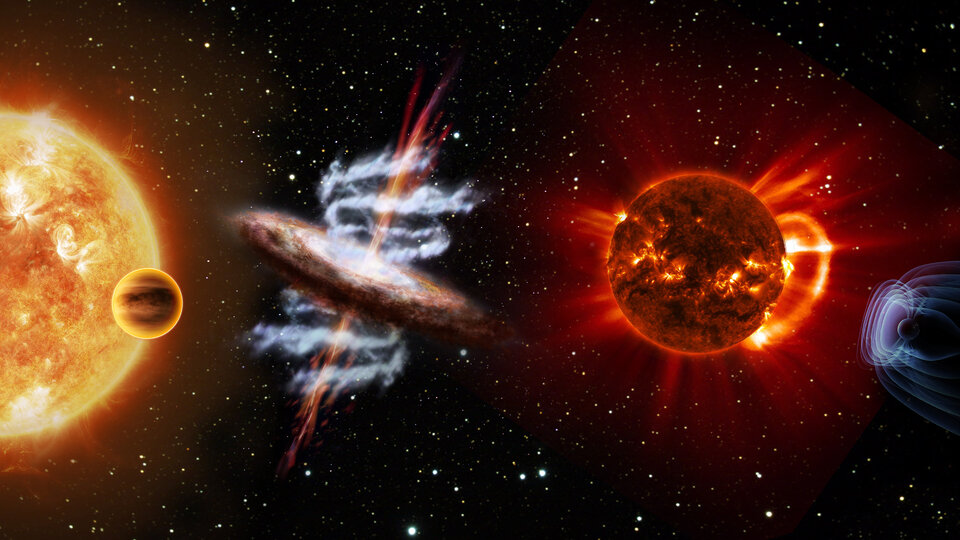
Space Science
33 articles
Stars, galaxies, black holes, and humanity's exploration of the cosmos.
Mathematics
Mathematics
52 articles
The language of the universe — from pure abstraction to practical applications in every scientific field.
Geography
Geography
31 articles
Spatial relationships, physical landscapes, and the complex interactions between humans and their environment.
🔥 Trending Now
Featured Article
Latest Discoveries
View all news →
Neuroscience
Neuroscience
Researchers Map Complete Synaptic Atlas of the Human Prefrontal Cortex
March 22, 2026
Genetics
Genetics
CRISPR-Omega: Third-Generation Gene Editing Achieves Sub-Angstrom Precision
March 19, 2026
Astronomy
Astrophysics
James Webb Space Telescope Detects Oxygen in Atmosphere of K2-18b
March 15, 2026
Today in Science
March 24, 1905
Einstein's Annus Mirabilis
Albert Einstein submits his doctoral thesis to the University of Zurich, days after publishing his photoelectric paper.
March 24, 1882
Koch Identifies TB Bacterium
Robert Koch announces the discovery of Mycobacterium tuberculosis as the causative agent of tuberculosis.
Glossary Spotlight
Wave Function (Ψ) A mathematical description of the quantum state of a system. Its square modulus gives the probability density of finding the particle at a given position.
Mitosis A form of cell division resulting in two daughter cells with identical chromosome sets to the parent cell. The primary mechanism of eukaryotic growth and repair.
Entropy (S) A thermodynamic property measuring the number of microscopic configurations consistent with a macroscopic state. Related to disorder and the direction of spontaneous processes.
Quick Navigation

Quantum Mechanics

The foundational theory of physics that describes the behavior of matter and energy at the smallest scales — where classical intuition breaks down and probability reigns.

Quantum Mechanics
FieldTheoretical Physics
Born1900–1927 (development era)
Key figuresPlanck, Bohr, Heisenberg, Schrödinger, Dirac, Born
Core principleWave-particle duality, superposition, uncertainty
FormalismHilbert spaces, operators, wave functions
ApplicationsSemiconductors, lasers, MRI, quantum computing
Related fieldsQuantum Field Theory, Quantum Chemistry

Quantum mechanics (QM) is the branch of physics that governs the behavior of matter and electromagnetic radiation at atomic and subatomic scales. It forms one of the two pillars of modern physics — the other being Einstein's theory of relativity — and is among the most successful scientific theories ever devised, with predictions confirmed to extraordinary precision.

At the quantum scale, the laws of classical mechanics cease to apply. Objects no longer follow definite trajectories; instead, they exist as probability distributions described by wave functions. Measurement itself disturbs the system, and particles can occupy multiple states simultaneously until observed. The theory introduces concepts utterly foreign to everyday experience: superposition, entanglement, and tunneling.

Historical Background

The origins of quantum mechanics trace to a crisis in late 19th-century physics. Classical theory predicted that a hot object would radiate infinite energy at short wavelengths — a result so catastrophically wrong it was called the "ultraviolet catastrophe."

🎓
Max Planck (1858–1947)
German physicist · Nobel Prize 1918
Resolved the blackbody radiation problem by proposing that energy is emitted in discrete packets ("quanta"), described by E = hν. This single equation launched the quantum revolution.

In 1900, Max Planck proposed a radical solution: energy is not continuous but comes in discrete packets called quanta. The energy of each quantum is proportional to frequency, described by the now-iconic equation:

Planck's Quantum Relation
E = hν
E = energy of a quantum (joules) · h = Planck's constant (6.626 × 10⁻³⁴ J·s) · ν = frequency (Hz)

Five years later, Albert Einstein extended this insight to explain the photoelectric effect, demonstrating that light itself consists of discrete quanta (later called photons). This work earned Einstein his only Nobel Prize in 1921 and provided direct evidence for the corpuscular nature of light.

⚛️
Niels Bohr (1885–1962)
Danish physicist · Nobel Prize 1922
Proposed the first quantum model of the atom, with electrons occupying discrete orbits with quantized angular momentum. His Copenhagen interpretation remains the dominant philosophical framework of quantum mechanics.

Between 1925 and 1927, the quantum revolution reached maturity through parallel developments by Werner Heisenberg (matrix mechanics) and Erwin Schrödinger (wave mechanics). Paul Dirac unified both approaches and extended the theory to relativistic particles, predicting the existence of antimatter as a mathematical consequence.

Core Principles

1. Wave-Particle Duality

Quantum objects — electrons, photons, even whole atoms — exhibit characteristics of both waves and particles depending on how they are measured. The de Broglie hypothesis assigns a wavelength to every particle:

de Broglie Wavelength
λ = h / p
λ = wavelength (m) · h = Planck's constant · p = momentum (kg·m/s)

This wave nature is dramatically confirmed by the double-slit experiment: when electrons pass through two adjacent slits, they create an interference pattern on a detector screen — even when sent one at a time. The electron appears to interfere with itself, passing through both slits simultaneously as a wave, yet it is always detected as a discrete point (a particle) upon measurement.

💡 Analogy

Imagine rolling a marble toward two gaps in a wall. Classically, it goes through one gap. Quantumly, the electron is like a water wave that flows through both gaps simultaneously and creates a ripple pattern on the far side — until you try to watch which gap it uses, at which point the interference pattern vanishes entirely.

2. The Wave Function and Probability

In quantum mechanics, the complete description of a system is encoded in the wave function Ψ(x,t), a complex-valued mathematical function. The wave function obeys the Schrödinger equation, quantum mechanics' central dynamical law:

Time-Dependent Schrödinger Equation
iℏ ∂Ψ/∂t = ĤΨ
iℏ ∂Ψ/∂t = rate of change of the wave function · Ĥ = Hamiltonian operator (total energy) · Ψ = wave function

The physical meaning of the wave function is given by the Born rule: |Ψ(x,t)|² gives the probability density of finding the particle at position x at time t. The wave function itself has no direct physical reality — only the probability it encodes is observable.

3. The Heisenberg Uncertainty Principle

One of quantum mechanics' most celebrated — and most misunderstood — results is the uncertainty principle, derived by Werner Heisenberg in 1927. It states that certain pairs of physical properties (called complementary variables) cannot both be precisely known simultaneously:

Heisenberg Uncertainty Principle
Δx · Δp ≥ ℏ/2
Δx = uncertainty in position · Δp = uncertainty in momentum · ℏ = h/2π (reduced Planck's constant)

Critically, this is not a statement about measurement limitations or the clumsiness of instruments. It is a fundamental property of nature: a particle simply does not have simultaneously well-defined position and momentum. The more precisely one is defined, the more inherently undefined the other becomes.

⚠️ Common Misconception

The uncertainty principle is often falsely described as "the act of measurement disturbs the particle." While measurement does cause disturbance, the uncertainty principle is deeper: it reflects the fact that quantum objects do not possess definite values for incompatible observables at all — independent of measurement.

4. Superposition and Quantum States

A quantum system can exist in a superposition of multiple states simultaneously. For a two-level system (a qubit), the general state is:

Quantum Superposition
|Ψ⟩ = α|0⟩ + β|1⟩
α, β = complex probability amplitudes · |α|² + |β|² = 1 · |0⟩, |1⟩ = basis states

Upon measurement, the superposition "collapses" to one of the basis states, with probability equal to the square of the corresponding amplitude. This collapse is non-deterministic and instantaneous — one of QM's most philosophically contentious features.

5. Quantum Entanglement

Entanglement occurs when two particles interact such that the quantum state of each cannot be described independently. Measurement of one particle instantaneously determines the correlated state of the other — regardless of distance. Einstein called this "spooky action at a distance" and considered it evidence of incompleteness in QM.

In 1964, physicist John Bell derived inequalities that could experimentally distinguish whether this correlation arises from local hidden variables (classical explanation) or genuine non-local entanglement. Experiments by Aspect (1982) and many successors have conclusively confirmed quantum entanglement is real, ruling out local hidden-variable theories.

|↑⟩ |↓⟩ entangled Particle A Particle B

Schematic of an entangled particle pair. Measuring spin-up on A instantly collapses B to spin-down regardless of separation.

Interpretations of Quantum Mechanics

The mathematical formalism of quantum mechanics is unambiguous and extraordinarily accurate. But what does it mean? This question has provoked intense philosophical debate for a century:

  • Copenhagen Interpretation (Bohr, Heisenberg): The wave function is not a real physical object but a tool for calculating probabilities. Physical reality only becomes definite upon measurement. The theory is complete — no further "hidden" description is needed or possible.
  • Many-Worlds Interpretation (Everett, 1957): The wave function never truly collapses. Every quantum measurement causes a "branching" of the universe into parallel copies, each realizing a different outcome. No probability collapse, no special role for observers.
  • Pilot Wave Theory (de Broglie–Bohm): Particles have definite positions at all times, guided by a real pilot wave satisfying the Schrödinger equation. Restores determinism at the cost of introducing non-locality explicitly.
  • Relational QM (Rovelli, 1996): Quantum states are relative to observers; there is no observer-independent description of physical reality.

Real-World Applications

Quantum mechanics is not merely abstract theory. It underlies virtually all modern technology:

  • Semiconductors & Transistors: The band theory of solids (quantum mechanics applied to crystals) explains electrical conductivity and makes possible all modern electronics — processors, memory, smartphones.
  • Lasers: Stimulated emission of photons — a purely quantum process — enables coherent light amplification used in surgery, optical communications, and industrial cutting.
  • MRI Scanners: Nuclear magnetic resonance exploits quantum spin states of hydrogen nuclei to produce detailed internal images without ionizing radiation.
  • Quantum Computing: Exploiting superposition and entanglement to perform certain computations exponentially faster than classical computers. IBM, Google, and others have achieved quantum processors exceeding 1,000 qubits.
  • Cryptography: Quantum key distribution (QKD) uses the measurement-disturbance property to guarantee provably secure communication — eavesdropping leaves a detectable trace.
  • Atomic Clocks: The most precise timekeeping devices exploit quantized energy transitions in cesium-133 atoms, forming the basis of GPS and international time standards.

Advanced Formalism

The Dirac Notation

Paul Dirac introduced an elegant notation, now standard, that unifies the wave-mechanical and matrix-mechanical approaches. States are represented as kets |ψ⟩, dual vectors as bras ⟨ψ|, and inner products as brackets ⟨φ|ψ⟩.

Quantum Field Theory

Combining quantum mechanics with special relativity leads to quantum field theory (QFT), the most complete framework we have. In QFT, particles are excitations of underlying fields pervading all of spacetime. The Standard Model of particle physics — QFT applied to the fundamental forces — has successfully predicted particle masses, interaction strengths, and the existence of the Higgs boson to extraordinary precision.

References & Further Reading

[1] Dirac, P.A.M. (1930). The Principles of Quantum Mechanics. Oxford University Press.
[2] Feynman, R.P., Leighton, R.B., Sands, M. (1965). The Feynman Lectures on Physics, Vol. 3. Addison-Wesley.
[3] Nielsen, M.A. & Chuang, I.L. (2000). Quantum Computation and Quantum Information. Cambridge University Press.
[4] Aspect, A., Grangier, P., Roger, G. (1982). "Experimental realization of Einstein-Podolsky-Rosen-Bohm Gedankenexperiment." Physical Review Letters 49, 91.
[5] Heisenberg, W. (1927). "Über den anschaulichen Inhalt der quantentheoretischen Kinematik und Mechanik." Zeitschrift für Physik 43, 172–198.

DNA Replication

The semiconservative, enzyme-driven process by which a cell duplicates its entire genome before division — one of the most precisely orchestrated molecular events in all of biology.

DNA Replication
FieldMolecular Biology, Genetics
TypeSemiconservative
LocationNucleus (eukaryotes); cytoplasm (prokaryotes)
Key enzymesDNA helicase, primase, DNA polymerase III, ligase
Rate (E. coli)~1,000 nucleotides/second
Rate (human)~50 nucleotides/second per polymerase
Error rate1 in 10⁹ (after proofreading)

DNA replication is the biological process by which a cell makes an identical copy of its DNA before cell division. It is one of the most fundamental processes in all living organisms — without accurate replication, the genetic information encoding every protein, every cellular function, and every heritable trait could not be transmitted to daughter cells or offspring.

The process is semiconservative: each of the two strands of the parental double helix serves as a template for the synthesis of a new complementary strand, yielding two daughter duplexes each containing one original (conserved) strand and one newly synthesized strand. This was elegantly demonstrated in the landmark Meselson–Stahl experiment of 1958.

Historical Background

The discovery of the DNA double helix by Watson and Crick in 1953 (building on X-ray crystallography data from Rosalind Franklin and Maurice Wilkins) immediately suggested a mechanism for replication. As Watson and Crick wrote in their original Nature paper: the specific base pairing they proposed "suggests a possible copying mechanism for the genetic material."

🧬
Arthur Kornberg (1918–2007)
American biochemist · Nobel Prize 1959
First isolated and characterized DNA polymerase I in E. coli (1956), demonstrating for the first time that enzymatic synthesis of DNA was possible. Established the fundamental biochemistry of replication that remains relevant today.

The Molecular Machinery: Key Players

DNA replication requires an elaborate ensemble of proteins, each performing a specific role with remarkable precision:

DNA Helicase

Replication begins at specific sequences called origins of replication (ori). At these sites, helicase uses ATP hydrolysis to unwind the double helix, breaking hydrogen bonds between complementary base pairs and generating two single-stranded template strands. The junction between the unwound and double-stranded regions is called the replication fork. A single bacterial chromosome has one origin; human chromosomes have thousands of origins to enable rapid replication of the entire ~3-billion-base-pair genome.

Single-Strand Binding Proteins (SSBPs)

As helicase unwinds the strands, single-strand binding proteins coat the exposed single-stranded DNA to prevent it from reannealing (re-forming the helix) or forming secondary structures that would impede the replication machinery.

Topoisomerase

Helicase unwinding generates positive supercoils ahead of the replication fork. Topoisomerase II (in eukaryotes) relieves this torsional stress by transiently breaking both DNA strands, allowing strand rotation, and resealing. Without topoisomerase, the DNA ahead of the fork would become impossibly overwound and replication would stall.

Primase

DNA polymerase — the central enzyme of replication — cannot initiate new strand synthesis from scratch. It can only extend existing nucleotide chains. To overcome this, the enzyme primase synthesizes a short RNA primer (~5–10 nucleotides) complementary to the template strand, providing the free 3'-OH group that DNA polymerase requires.

DNA Polymerase III (Prokaryotes) / DNA Polymerase δ and ε (Eukaryotes)

The main replicative polymerase extends the primer, reading the template 3'→5' and synthesizing the new strand 5'→3'. Each incoming deoxyribonucleoside triphosphate (dNTP) is matched by complementary base-pairing (A with T, G with C), and the polymerase catalyzes the formation of a phosphodiester bond, releasing pyrophosphate. The enzyme also has a 3'→5' exonuclease proofreading activity that detects and corrects mismatched bases during synthesis.

Polymerization Reaction
dNMP-dNMP-(chain) + dNTP → dNMP-dNMP-(chain)-dNMP + PPᵢ
Each nucleotide addition releases inorganic pyrophosphate (PPi). Hydrolysis of PPi by pyrophosphatase drives the reaction forward thermodynamically.

Leading and Lagging Strands: The Directionality Problem

DNA polymerase can only synthesize in the 5'→3' direction. Since the two parental strands are antiparallel, one strand (the leading strand) runs 3'→5' in the direction of fork movement, allowing continuous 5'→3' synthesis. The other (the lagging strand) runs in the opposite direction and must be synthesized discontinuously in short fragments called Okazaki fragments (1,000–2,000 nucleotides in prokaryotes; 100–200 in eukaryotes).

🧬 Key Concept: Okazaki Fragments

Each Okazaki fragment begins with a short RNA primer synthesized by primase. DNA Pol III then extends the primer until it reaches the primer of the previous fragment. DNA Pol I removes the RNA primer by nick translation and replaces it with DNA. DNA ligase seals the remaining nicks by forming phosphodiester bonds between fragments.

Leading strand (continuous) Lagging (Okazaki fragments) fork

Replication fork: continuous leading strand synthesis vs. discontinuous Okazaki fragments on the lagging strand.

Proofreading and Fidelity

The accuracy of DNA replication is extraordinary. DNA polymerase III introduces a mismatched nucleotide approximately once every 10⁵ incorporations. The 3'→5' proofreading exonuclease activity corrects most of these, reducing the error rate to ~10⁷. A subsequent round of mismatch repair (MMR) brings the final error rate to approximately 1 in 10⁹ to 10¹⁰ base pairs. For a human cell replicating 6 × 10⁹ base pairs, this means roughly 1–3 errors per cell division — a feat of molecular proofreading without parallel in human engineering.

Telomeres: The End Replication Problem

Linear chromosomes face a fundamental challenge: because DNA polymerase requires a primer, and the RNA primer at the very end of the lagging strand cannot be replaced by DNA (there is no upstream fragment to extend), chromosomes would shorten with each cell division. This is the end-replication problem. Eukaryotic cells solve it using telomeres — repetitive non-coding sequences (TTAGGG in humans) capping chromosome ends — maintained by the enzyme telomerase, a reverse transcriptase that uses an internal RNA template to extend telomeric repeats. Telomerase is active in stem cells, germ cells, and most cancer cells; its repression is linked to cellular senescence.

Clinical Relevance

Errors in DNA replication underlie much of human disease. Cancer typically involves multiple mutations in replication fidelity pathways — including mutations in mismatch repair genes (causing Lynch syndrome), or in proofreading subunits of DNA polymerases. Many chemotherapy drugs target replication directly: nucleoside analogues (e.g., 5-fluorouracil) are incorporated into DNA and block polymerase; topoisomerase inhibitors (e.g., camptothecin) trap the enzyme mid-reaction, causing lethal DNA breaks in rapidly dividing cells.

References & Further Reading

[1] Alberts, B. et al. (2022). Molecular Biology of the Cell, 7th ed. W.W. Norton.
[2] Meselson, M. & Stahl, F.W. (1958). "The replication of DNA in E. coli." PNAS 44(7), 671–682.
[3] Kornberg, A. & Baker, T.A. (1992). DNA Replication, 2nd ed. W.H. Freeman.
[4] Okazaki, R. et al. (1968). "In vivo mechanism of DNA chain growth." Cold Spring Harbor Symposia 33, 129–143.

Theory of Relativity

Einstein's revolutionary framework — comprising Special and General Relativity — that reimagined space and time as a unified, curved continuum shaped by mass and energy.

The Theory of Relativity comprises two interrelated theories by Albert Einstein: Special Relativity (1905) and General Relativity (1915). Together they transformed our understanding of space, time, gravity, and the relationship between mass and energy.

Special Relativity (1905)

Special relativity rests on two postulates: (1) the laws of physics are identical in all inertial (non-accelerating) frames of reference; and (2) the speed of light in a vacuum c = 299,792,458 m/s is the same for all observers regardless of the motion of the light source.

These innocuous-sounding postulates have extraordinary consequences. Time passes more slowly for moving clocks (time dilation), lengths contract along the direction of motion (length contraction), and simultaneity is relative — two events simultaneous in one reference frame may not be simultaneous in another.

Mass-Energy Equivalence
E = mc²
E = rest energy (joules) · m = rest mass (kg) · c = speed of light (3×10⁸ m/s). The most famous equation in physics — a tiny mass corresponds to enormous energy.
Lorentz Factor & Time Dilation
γ = 1/√(1 − v²/c²) → t' = γt
A clock moving at velocity v runs slower by factor γ compared to a stationary clock. At v = 0.87c, γ ≈ 2 (time runs at half speed).

General Relativity (1915)

General Relativity extended special relativity to include gravity and accelerating frames. Einstein's key insight was the equivalence principle: the effects of gravity are locally indistinguishable from the effects of acceleration. This led him to interpret gravity not as a force but as curvature of spacetime caused by mass and energy.

Einstein Field Equations
Gμν + Λgμν = (8πG/c⁴) Tμν
Gμν = Einstein curvature tensor · Λ = cosmological constant · Tμν = energy-momentum tensor · G = Newton's gravitational constant. "Matter tells spacetime how to curve; spacetime tells matter how to move." — John Wheeler

Experimental Confirmations

  • Mercury's perihelion precession: Unexplained 43 arcseconds/century by Newtonian gravity — predicted exactly by GR.
  • Gravitational lensing: Confirmed during the 1919 solar eclipse by Arthur Eddington.
  • Gravitational waves: Detected by LIGO in 2015 from merging black holes, 100 years after their prediction.
  • GPS accuracy: Without relativistic corrections (both special and general), GPS clocks would drift ~38 microseconds/day — accumulating 10 km errors daily.

Cell Biology: The Fundamental Unit of Life

Cell biology explores the structure, function, and behavior of cells - the basic building blocks of all living organisms. From single-celled bacteria to complex multicellular organisms, cells perform all life processes through sophisticated molecular mechanisms.

Cell Structure and Organization

Prokaryotic cells (bacteria and archaea) lack membrane-bound organelles and have simpler organization. Eukaryotic cells (plants, animals, fungi, protists) contain specialized compartments that perform specific functions, enabling greater complexity.

Cell Membrane

The phospholipid bilayer forms a selective barrier, controlling what enters and exits the cell. Embedded proteins facilitate transport, signaling, and recognition. Cholesterol in animal membranes provides stability and fluidity regulation.

Organelles and Their Functions

The nucleus houses genetic material, mitochondria produce energy, endoplasmic reticulum synthesizes proteins and lipids, Golgi apparatus modifies and packages molecules, lysosomes digest waste, and the cytoskeleton provides structure and movement.

Cellular Processes

Cell Division

Mitosis produces identical daughter cells for growth and repair, while meiosis creates gametes with half the chromosome number for sexual reproduction. Precise regulation ensures genetic stability and diversity.

Cellular Respiration

Cells convert glucose into ATP through glycolysis, the Krebs cycle, and oxidative phosphorylation. This efficient energy extraction process powers all cellular activities and maintains life.

Modern Applications

Cell biology drives advances in medicine, including cancer research, stem cell therapy, genetic engineering, and drug development. Understanding cellular mechanisms enables targeted treatments for countless diseases and conditions.

Genetics: The Science of Heredity

Genetics explores how traits are passed from parents to offspring through genes - segments of DNA that encode specific instructions for building and maintaining organisms. From Mendel's pea plants to modern genomic sequencing, genetics has revolutionized our understanding of life.

Mendelian Genetics

Gregor Mendel established three fundamental laws: the Law of Segregation (each parent contributes one allele), the Law of Independent Assortment (genes sort independently), and the Law of Dominance (some alleles mask others).

Molecular Genetics

The double helix structure of DNA contains four nucleotide bases (A, T, C, G) that form the genetic code. Genes are transcribed into RNA and translated into proteins, connecting genotype to phenotype.

Modern Genetic Technologies

Next-generation sequencing allows rapid, affordable analysis of entire genomes. CRISPR-Cas9 and related technologies allow precise modification of DNA sequences, promising treatments for genetic diseases.

Ethical Considerations

Genetic technologies raise important ethical questions about privacy, discrimination, designer babies, and genetic enhancement. Balancing scientific progress with ethical responsibility remains crucial.

Evolution: The Process of Change Over Time

Evolution by natural selection, proposed by Charles Darwin and Alfred Russel Wallace, explains how species change over generations. This fundamental principle unites all biological sciences and provides the framework for understanding life's diversity and complexity.

Mechanisms of Evolution

Natural Selection

Organisms with traits better suited to their environment are more likely to survive and reproduce, passing those advantageous traits to offspring. This process gradually adapts populations to their ecological niches.

Genetic Drift

Random changes in allele frequencies, especially in small populations, can lead to genetic changes independent of selective advantage. Bottleneck effects and founder effects demonstrate drift's impact.

Evidence for Evolution

Fossil Record

Sedimentary layers preserve sequential fossils showing gradual changes in species over millions of years. Transitional forms demonstrate major evolutionary transitions, such as from fish to amphibians.

Comparative Anatomy

Homologous structures (similar anatomy but different functions) reveal common ancestry, while analogous structures (similar functions but different anatomy) show convergent evolution.

Human Evolution

Hominid evolution shows gradual changes from ape-like ancestors to modern humans. Key developments include bipedalism, increased brain size, tool use, language, and complex social structures.

Modern Evolution

Evolution continues today through antibiotic resistance, climate change adaptation, and selective breeding. Understanding evolution helps address global challenges in medicine, agriculture, and conservation.

Ecology: The Study of Organisms and Their Environment

Ecology examines the interactions between organisms and their environment, from individual organisms to entire ecosystems. Understanding these relationships is crucial for addressing environmental challenges and conserving biodiversity.

Levels of Ecological Organization

Organismal Ecology

Studies how individual organisms adapt to their environment through behavioral, physiological, and morphological adaptations. These adaptations enable survival and reproduction in specific conditions.

Population Ecology

Examines factors affecting population size and growth, including birth rates, death rates, immigration, and emigration. Population dynamics help predict species abundance and extinction risk.

Community Ecology

Investigates interactions between different species, including competition, predation, mutualism, and parasitism. These interactions shape community structure and biodiversity.

Ecosystem Ecology

Analyzes energy flow and nutrient cycling through ecosystems. Understanding these processes helps predict ecosystem responses to environmental changes and human impacts.

Key Ecological Concepts

Food Webs and Trophic Levels

Energy flows from producers to consumers through food chains, forming complex food webs. Each trophic level loses energy, limiting ecosystem productivity and biomass.

Nutrient Cycling

Carbon, nitrogen, phosphorus, and other essential elements cycle through ecosystems. These biogeochemical cycles maintain ecosystem productivity and support life.

Succession

Ecosystems change over time through ecological succession, from pioneer species to climax communities. Disturbances reset succession, creating dynamic landscape patterns.

Conservation Ecology

Human activities threaten biodiversity through habitat destruction, climate change, pollution, and invasive species. Conservation ecology develops strategies to protect endangered species and restore ecosystems.

Climate Change Impacts

Rising temperatures, altered precipitation patterns, and extreme weather events affect species distributions, phenology, and ecosystem processes. Understanding these impacts helps develop adaptation strategies.

Neuroscience: The Study of the Nervous System

Neuroscience explores the structure and function of the nervous system, from molecular mechanisms to complex behaviors. This interdisciplinary field combines biology, psychology, physics, and computer science to understand how brains work.

Neuronal Structure and Function

Neuron Anatomy

Neurons consist of dendrites that receive signals, cell bodies that process information, and axons that transmit signals to other cells. Glial cells support and protect neurons, outnumbering them by 10:1.

Action Potentials

Electrical signals called action potentials transmit information along axons. Voltage-gated ion channels create rapid changes in membrane potential, enabling fast neural communication.

Synaptic Transmission

Chemical neurotransmitters released at synapses transmit signals between neurons. Different neurotransmitters produce excitatory or inhibitory effects, shaping neural circuit activity.

Brain Organization

Cerebral Cortex

The outer brain layer processes sensory information, controls movement, and enables higher cognitive functions. Different cortical regions specialize in vision, hearing, touch, language, and executive functions.

Subcortical Structures

Deep brain structures including the thalamus, hypothalamus, basal ganglia, and limbic system regulate emotions, motivation, memory, and autonomic functions.

Brain Networks

Neural networks connect distant brain regions, enabling integrated functions. Default mode, attention, and executive networks support consciousness and complex cognition.

Cognitive Neuroscience

Memory Systems

Different brain systems support short-term, long-term, episodic, and procedural memory. Hippocampus formation is crucial for forming new memories, while cortex stores long-term knowledge.

Language Processing

Broca's area produces speech, while Wernicke's area comprehends language. These areas connect through arcuate fasciculus, enabling fluent communication.

Decision Making

Frontal cortex circuits evaluate options, predict outcomes, and select actions. Dopamine signals reward prediction errors, guiding learning and adaptive behavior.

Neurological Disorders

Alzheimer's disease, Parkinson's disease, stroke, epilepsy, and depression involve specific neural circuit dysfunctions. Understanding these mechanisms enables better treatments.

Modern Neuroscience

Advanced imaging techniques like fMRI, EEG, and optogenetics reveal brain activity in unprecedented detail. Brain-computer interfaces and neuroprosthetics restore function after injury.

π (Pi): The Most Famous Mathematical Constant

π (Pi) is the most recognized mathematical constant, representing the ratio of a circle's circumference to its diameter. This irrational number, approximately equal to 3.14159, has fascinated mathematicians, scientists, and artists for thousands of years. Celebrated annually on Pi Day (March 14th, or 3/14), π appears in countless formulas across mathematics, physics, engineering, and even nature itself.

The Definition and Basic Properties

π is defined as the ratio of a circle's circumference (C) to its diameter (d): π = C/d. This ratio is constant for all circles, regardless of their size. π is an irrational number, meaning it cannot be expressed as a simple fraction, and its decimal representation continues infinitely without repeating. It's also a transcendental number, meaning it's not the root of any non-zero polynomial equation with rational coefficients.

Fundamental Definition
π = C/d ≈ 3.14159265358979323846...
The ratio of circumference to diameter for any circle. Decimal expansion continues infinitely without pattern.

Historical Journey of Pi

Ancient Civilizations

The earliest known approximations of π date back to ancient Babylon (1900-1600 BCE), which used 3.125. Ancient Egyptians around 1650 BCE used 3.1605. The Bible's description of Solomon's temple suggests π ≈ 3, while Archimedes of ancient Greece (287-212 BCE) provided the most accurate ancient approximation, proving that 223/71 < π < 22/7.

Chinese and Indian Contributions

Chinese mathematician Zu Chongzhi (429-500 CE) calculated π to seven decimal places (3.1415926), a record that stood for over 800 years. Indian mathematician Madhava of Sangamagrama (c. 1340-1425) discovered infinite series for π and calculated it to 11 decimal places.

Modern Era

The invention of calculus by Newton and Leibniz in the 17th century led to new formulas for calculating π. The 20th century saw computer calculations extend π to millions, then billions, and now trillions of digits. In 2022, a team calculated π to 100 trillion decimal places!

Pi in Mathematics

Geometry and Trigonometry

π appears in virtually every geometric formula involving circles and spheres: area of a circle (πr²), circumference (2πr), volume of a sphere (4/3πr³), and surface area of a sphere (4πr²). In trigonometry, π radians equals 180 degrees, making it fundamental to angular measurements.

Essential Geometric Formulas
Circle Area: A = πr²
Circle Circumference: C = 2πr
Sphere Volume: V = (4/3)πr³
Sphere Surface Area: A = 4πr²
Where r is the radius. These formulas demonstrate π's fundamental role in three-dimensional geometry.

Calculus and Analysis

π appears in many calculus formulas, including the Gaussian integral, Wallis product, and various infinite series. The famous Basel problem, solved by Euler in 1734, revealed the surprising connection between π and the sum of reciprocal squares:

Euler's Basel Solution
Σ(1/n²) from n=1 to ∞ = π²/6
The sum of reciprocals of all positive integers squared equals π²/6. This revealed deep connections between π and number theory.

Complex Analysis

Euler's identity, often called "the most beautiful equation in mathematics," elegantly connects five fundamental constants: e^(iπ) + 1 = 0. This formula reveals profound relationships between exponential functions, trigonometry, and complex numbers.

Euler's Identity
e^(iπ) + 1 = 0
Widely considered the most beautiful equation in mathematics, connecting e (Euler's number), i (imaginary unit), π, 1, and 0.

Pi in Nature and Science

Natural Phenomena

π appears throughout nature: in the spirals of nautilus shells, the patterns of river meanders, the double helix structure of DNA, and even in the statistical distribution of prime numbers. The ubiquity of π in nature reflects the fundamental role of circles and cycles in natural processes.

Physics Applications

In physics, π appears in Heisenberg's uncertainty principle, Einstein's field equations, Coulomb's law, and many other fundamental formulas. The constant appears in quantum mechanics, wave mechanics, and statistical physics, reflecting the circular and wave-like nature of many physical phenomena.

Engineering and Technology

Engineers use π in designing everything from gears and engines to antennas and computer algorithms. Signal processing, electrical engineering, and structural analysis all rely on π for calculations involving waves, rotations, and periodic phenomena.

Methods for Calculating Pi

Geometric Methods

Archimedes used the method of exhaustion, inscribing and circumscribing polygons around circles to bound π between two values. Liu Hui in China improved this method using 3072-sided polygons.

Infinite Series

Several infinite series converge to π, including the Leibniz formula: π/4 = 1 - 1/3 + 1/5 - 1/7 + ... While elegant, this series converges very slowly. More efficient series include Machin-like formulas and Ramanujan's rapidly converging series.

Leibniz Formula for π
π/4 = 1 - 1/3 + 1/5 - 1/7 + 1/9 - ...
An alternating series that converges to π/4. Beautiful but inefficient - requires thousands of terms for few decimal places.

Modern Computational Methods

Today's record-breaking calculations use algorithms like the Chudnovsky algorithm and the Bailey-Borwein-Plouffe formula, which can calculate specific digits of π without calculating all preceding digits.

Pi Day Celebrations and Culture

Pi Day Traditions

Pi Day, celebrated on March 14th (3/14), features pie-eating contests, pi memorization competitions, and mathematical discussions. Some celebrations extend to "Pi Minute" at 1:59 PM (3.14159) and "Pi Second" with even more precise timing.

Memorization Records

The current world record for memorizing digits of π stands at over 70,000 digits! Most people can manage a few dozen digits using mnemonic devices and pattern recognition techniques.

Pi in Popular Culture

π has appeared in movies, books, music, and art. The film "Pi" (1998), Darren Aronofsky's debut, explores a mathematician's obsession with finding patterns in π. Many songs reference π, and artists have created visual representations of its digits.

Unsolved Mysteries and Future Research

Normality of Pi

Mathematicians believe π is a "normal number," meaning all digits and digit sequences appear with equal frequency in its decimal expansion. However, this has never been proven, and it remains one of mathematics' most important unsolved problems.

Patterns in Pi

Despite extensive analysis, no repeating patterns have been found in π's digits. The search for hidden patterns or messages in π continues, though most mathematicians believe none exist.

Practical Applications

While calculating π to trillions of digits may seem purely academic, such calculations test computer systems, develop numerical algorithms, and occasionally reveal unexpected mathematical properties.

Why Pi Matters

π represents more than just a mathematical constant; it embodies the human quest for understanding fundamental truths about our universe. Its appearance across diverse fields—from the quantum realm to cosmic scales—reveals deep connections between seemingly unrelated phenomena. π reminds us that mathematics is not just about calculation, but about discovering the elegant patterns that govern reality.

As we celebrate each Pi Day, we honor not just a number, but the spirit of curiosity, precision, and wonder that drives mathematical discovery. π continues to inspire new generations of mathematicians, scientists, and thinkers to explore the infinite beauty of mathematics.

Organic Chemistry: The Chemistry of Carbon

Organic chemistry is the study of carbon-based compounds, which form the basis of all life on Earth. From simple hydrocarbons to complex biomolecules, organic compounds exhibit remarkable diversity and functionality. Understanding organic chemistry is essential for medicine, materials science, and biotechnology.

Carbon's Unique Properties

Carbon's ability to form four covalent bonds, bond with other carbon atoms, and create stable chains and rings makes it uniquely suited to form complex molecules. This versatility enables the vast diversity of organic compounds found in nature and synthesized in laboratories.

Major Classes of Organic Compounds

Hydrocarbons

Alkanes, alkenes, and alkynes form the foundation of organic chemistry. These compounds serve as fuels, building blocks for synthesis, and starting materials for countless industrial processes.

Functional Groups

Alcohols, aldehydes, ketones, carboxylic acids, esters, amines, and amides impart specific chemical properties to organic molecules. These functional groups determine reactivity, solubility, and biological activity.

Biomolecules

Carbohydrates, lipids, proteins, and nucleic acids are complex organic molecules essential for life. Understanding their structure and function is crucial for biochemistry and medicine.

Organic Reactions

Substitution, addition, elimination, and rearrangement reactions form the basis of organic synthesis. Understanding reaction mechanisms enables the design of efficient synthetic routes to target molecules.

Applications in Modern Life

Organic chemistry underpins pharmaceuticals, plastics, dyes, pesticides, and countless other products. Advances in organic synthesis continue to transform medicine and technology.

Inorganic Chemistry: Beyond Carbon

Inorganic chemistry explores all chemical compounds except organic compounds, focusing on metals, minerals, and coordination compounds. This field encompasses the chemistry of the entire periodic table and is essential for materials science, catalysis, and environmental chemistry.

Periodic Trends and Properties

The periodic table organizes elements by atomic number and reveals systematic trends in properties. Understanding these trends helps predict chemical behavior and design new compounds with desired properties.

Coordination Chemistry

Transition metals form complex coordination compounds with unique electronic, magnetic, and catalytic properties. These compounds are essential for industrial catalysis, medicine, and materials science.

Solid State Chemistry

Crystal structures, semiconductors, superconductors, and nanomaterials fall under solid state chemistry. Understanding atomic arrangement in solids enables the design of advanced materials.

Environmental Inorganic Chemistry

Heavy metal pollution, acid rain, ozone depletion, and climate change involve inorganic chemical processes. Understanding these processes is crucial for environmental protection.

Physical Chemistry: Where Physics Meets Chemistry

Physical chemistry applies physics principles to understand chemical phenomena at the molecular level. This field bridges chemistry and physics, providing theoretical foundations for chemical behavior through thermodynamics, quantum mechanics, and statistical mechanics.

Thermodynamics

The laws of thermodynamics govern energy flow, spontaneity, and equilibrium. Understanding enthalpy, entropy, and Gibbs free energy explains why reactions occur and predicts their outcomes.

Quantum Chemistry

Quantum mechanics describes electron behavior in atoms and molecules. Molecular orbital theory, valence bond theory, and computational chemistry predict molecular structure and reactivity.

Chemical Kinetics

Reaction rates, mechanisms, and catalysis fall under chemical kinetics. Understanding how fast reactions occur and what influences their speed is crucial for industrial processes and biological systems.

Spectroscopy

Various spectroscopic techniques (NMR, IR, UV-Vis, mass spectrometry) reveal molecular structure and dynamics. These tools are essential for analyzing compounds and understanding chemical processes.

Biochemistry: The Chemistry of Life

Biochemistry explores the chemical processes and substances that occur in living organisms. This interdisciplinary field combines chemistry, biology, and physics to understand life at the molecular level, from enzyme catalysis to genetic information storage.

Biomolecules

Proteins

Amino acids polymerize to form proteins with diverse structures and functions. Enzymes catalyze biochemical reactions, while structural proteins provide support and transport proteins move molecules.

Carbohydrates

Sugars, starches, and cellulose serve as energy sources, structural components, and recognition molecules. Understanding carbohydrate metabolism is crucial for nutrition and disease.

Lipids

Fats, oils, phospholipids, and steroids form membranes, store energy, and function as hormones. Lipid chemistry underpins cell biology and endocrinology.

Nucleic Acids

DNA and RNA store and transmit genetic information. Understanding nucleic acid chemistry is fundamental to genetics, molecular biology, and biotechnology.

Metabolic Pathways

Glycolysis, Krebs cycle, oxidative phosphorylation, and photosynthesis describe how cells obtain and use energy. These pathways are essential for understanding nutrition, exercise, and disease.

Modern Applications

Drug design, genetic engineering, diagnostic tests, and synthetic biology all rely on biochemistry. Understanding biochemical processes enables advances in medicine and biotechnology.

Geology: The Study of Earth's Structure and History

Geology examines Earth's composition, structure, processes, and history. From minerals and rocks to plate tectonics and geological time, this field reveals how our planet formed and continues to evolve, shaping the landscape and influencing life.

Minerals and Rocks

Mineralogy

Minerals are naturally occurring inorganic solids with specific chemical compositions and crystal structures. Understanding mineral properties helps identify resources and interpret geological processes.

Petrology

Igneous, sedimentary, and metamorphic rocks form through different geological processes. Rock types reveal Earth's history and the conditions under which they formed.

Plate Tectonics

Earth's lithosphere is divided into tectonic plates that move due to mantle convection. Plate boundaries create mountains, earthquakes, volcanoes, and ocean basins, shaping Earth's surface.

Geological Time

Geological time scales span billions of years, divided into eons, eras, periods, and epochs. Understanding deep time is crucial for comprehending Earth's evolution and life's history.

Economic Geology

Fossil fuels, metals, industrial minerals, and gemstones form through geological processes. Economic geology locates and evaluates these essential resources.

Meteorology: The Science of Weather and Atmosphere

Meteorology studies atmospheric phenomena and weather patterns. Understanding temperature, pressure, humidity, and wind enables weather prediction and reveals how atmospheric processes influence Earth's climate and ecosystems.

Atmospheric Structure

The atmosphere consists of layers with distinct temperature and composition profiles. Troposphere, stratosphere, mesosphere, and thermosphere each play unique roles in weather and climate.

Weather Elements

Temperature and Heat

Solar radiation, heat transfer, and temperature gradients drive atmospheric circulation. Understanding energy balance is crucial for weather prediction.

Pressure and Wind

Atmospheric pressure differences create wind patterns. High and low-pressure systems, jet streams, and local winds determine weather conditions.

Moisture and Precipitation

Humidity, clouds, and precipitation form through condensation and evaporation processes. Understanding the water cycle is essential for weather forecasting.

Weather Systems

Fronts, cyclones, anticyclones, and thunderstorms organize weather patterns. Understanding these systems enables accurate weather prediction and severe weather warnings.

Modern Meteorology

Satellites, radar, computer models, and weather stations provide comprehensive atmospheric data. Modern forecasting combines technology with atmospheric physics.

Oceanography: Exploring Earth's Marine Environments

Oceanography studies Earth's oceans, covering physical, chemical, biological, and geological aspects of marine environments. Oceans regulate climate, support biodiversity, and influence global systems, making oceanography crucial for understanding our planet.

Physical Oceanography

Ocean currents, waves, tides, and water masses drive marine circulation. Understanding physical processes explains heat transport, mixing, and ocean-atmosphere interactions.

Chemical Oceanography

Seawater composition, nutrient cycles, and ocean acidification reveal chemical processes. Carbon cycling and trace elements are crucial for marine ecosystems and climate.

Marine Biology

From microscopic plankton to whales, marine life adapts to ocean conditions. Understanding marine ecosystems is essential for conservation and fisheries management.

Marine Geology

Seafloor spreading, continental margins, and sediment processes shape ocean basins. Marine geology reveals Earth's structure and geological history.

Human Impacts

Pollution, overfishing, climate change, and habitat destruction threaten marine environments. Oceanography informs conservation and sustainable resource management.

Climate Science: Understanding Earth's Climate System

Climate science studies Earth's climate system, including atmosphere, oceans, land surface, and ice sheets. Understanding climate variability, change, and impacts is crucial for addressing global environmental challenges and informing policy decisions.

Climate System Components

Atmosphere

Greenhouse gases, aerosols, and atmospheric circulation regulate Earth's energy balance. Understanding atmospheric composition and dynamics is essential for climate modeling.

Oceans

Ocean heat uptake, circulation, and carbon storage influence climate. Ocean-atmosphere interactions drive climate variability on seasonal to millennial timescales.

Cryosphere

Ice sheets, glaciers, and sea ice respond to and influence climate. Understanding cryospheric processes is crucial for sea-level rise predictions.

Climate Change

Greenhouse Effect

Increasing greenhouse gas concentrations enhance Earth's natural greenhouse effect, causing global warming. Understanding radiative forcing explains climate sensitivity.

Climate Feedbacks

Water vapor, clouds, ice-albedo, and carbon cycle feedbacks amplify or dampen climate change. Understanding feedbacks improves climate predictions.

Climate Impacts

Rising temperatures, sea-level rise, extreme weather, and ecosystem changes affect societies worldwide. Understanding impacts enables adaptation and mitigation strategies.

Climate Solutions

Renewable energy, carbon capture, reforestation, and policy interventions address climate change. Climate science informs effective mitigation and adaptation strategies.

Cosmology: The Study of the Universe's Origin and Evolution

Cosmology examines the universe's origin, evolution, structure, and ultimate fate. From the Big Bang to dark energy, cosmology seeks to understand the cosmos on its largest scales, combining physics, astronomy, and mathematics to answer fundamental questions about existence.

The Big Bang Theory

The universe began ~13.8 billion years ago from an extremely hot, dense state. Cosmic microwave background radiation, element abundances, and galaxy redshifts provide strong evidence for this origin.

Cosmic Expansion

Hubble's Law

Galaxies recede from each other with velocities proportional to their distances. This expansion, discovered by Edwin Hubble, reveals the universe's dynamic nature.

Dark Energy

Discovered in 1998, dark energy causes accelerated expansion. Comprising ~68% of the universe, its nature remains one of science's greatest mysteries.

Cosmic Structure Formation

Dark Matter

Invisible dark matter provides gravitational scaffolding for galaxy formation. Comprising ~27% of the universe, dark matter shapes cosmic structure.

Galaxy Formation

Small density fluctuations grew into galaxies, clusters, and cosmic webs. Understanding structure formation reveals the universe's evolution.

Early Universe

Inflation, nucleosynthesis, and recombination describe the universe's first moments. Understanding early universe physics tests fundamental particle physics.

Ultimate Fate

The universe may expand forever (heat death), collapse (big crunch), or tear apart (big rip). Current observations favor continued expansion.

Stellar Physics: The Life and Death of Stars

Stellar physics examines how stars form, evolve, and die. From protostars to supernovae, stars power the universe through nuclear fusion, creating elements and shaping cosmic evolution.

Star Formation

Gravitational collapse of gas clouds forms protostars. When core temperature reaches ~10 million K, hydrogen fusion begins, marking stellar birth.

Main Sequence Evolution

Nuclear Fusion

Stars fuse hydrogen into helium through proton-proton chains or CNO cycles. This energy production balances gravitational collapse, maintaining stellar stability.

Stellar Structure

Core, radiative zone, convective zone, and atmosphere compose stellar structure. Energy transport through radiation and convection determines stellar properties.

Post-Main Sequence Evolution

Red Giants

When hydrogen exhausts, stars expand into red giants, fusing helium into heavier elements. This phase determines stellar fate.

Stellar Death

Low-mass stars become white dwarfs. Massive stars explode as supernovae, leaving neutron stars or black holes. Stellar deaths enrich space with heavy elements.

Variable Stars

Cepheid variables, RR Lyrae stars, and eclipsing binaries vary in brightness. Understanding stellar variability helps measure cosmic distances.

Stellar Populations

Population I, II, and III stars reveal galaxy evolution. Understanding stellar populations traces cosmic chemical enrichment.

Planetary Science: Exploring Worlds Beyond Earth

Planetary science studies planets, moons, and planetary systems. From our solar system to exoplanets, this field explores planetary formation, evolution, and potential for life.

Solar System Formation

Planets formed from the protoplanetary disk surrounding the young Sun. Accretion, differentiation, and migration shaped planetary architecture.

Terrestrial Planets

Inner Planets

Mercury, Venus, Earth, and Mars formed from rocky materials. Understanding their evolution reveals planetary processes and habitability factors.

Earth's Moon

Lunar formation, evolution, and geology provide insights into planetary history. The Moon records early solar system events.

Gas Giants

Jupiter and Saturn

Gas giants formed from hydrogen and helium, with complex atmospheric dynamics and extensive moon systems. Understanding giant planets informs planetary formation theories.

Ice Giants

Uranus and Neptune contain water, ammonia, and methane ices. Their unique compositions and dynamics test planetary science models.

Exoplanets

Thousands of planets orbit other stars. Understanding exoplanet diversity reveals planetary formation processes and potential for habitable worlds.

Planetary Exploration

Spacecraft missions explore planets, moons, and asteroids. Robotic exploration reveals planetary surfaces, atmospheres, and interiors.

Exoplanets: Worlds Beyond Our Solar System

Exoplanets are planets orbiting stars other than our Sun. Since the first discovery in 1995, thousands of exoplanets have been found, revealing diverse planetary systems and informing our understanding of planet formation and the potential for life beyond Earth.

Detection Methods

Transit Method

Planets passing in front of their stars cause periodic brightness dips. This method has discovered most known exoplanets and enables atmospheric studies.

Radial Velocity

Stellar wobble reveals planetary gravitational influence. This method measures planet masses and complements transit observations.

Direct Imaging

Advanced telescopes directly image exoplanets, revealing atmospheric composition and surface properties. This method works best for large, young planets.

Exoplanet Diversity

Hot Jupiters

Gas giants orbiting very close to their stars challenge planetary formation theories. Understanding these extreme worlds tests planetary physics.

Super-Earths

Rocky planets larger than Earth but smaller than Neptune may represent a new planetary category. Understanding their composition informs planetary formation.

Mini-Neptunes

Small gas planets with thick atmospheres may be common. Understanding these worlds reveals planetary diversity.

Habitable Zones

Regions where liquid water could exist on planetary surfaces. Understanding habitability factors guides the search for life.

Biosignatures

Atmospheric gases indicating biological activity. Searching for biosignatures is crucial for finding extraterrestrial life.

Linear Algebra: The Mathematics of Vector Spaces

Linear algebra studies vector spaces, linear transformations, and matrices. This fundamental mathematical framework underpins computer graphics, machine learning, quantum mechanics, and countless other fields.

Vectors and Vector Spaces

Vectors represent quantities with magnitude and direction. Vector spaces provide the abstract framework for understanding linear combinations and independence.

Matrices and Linear Transformations

Matrices represent linear transformations between vector spaces. Understanding matrix operations, eigenvalues, and eigenvectors reveals transformation properties.

Systems of Linear Equations

Gaussian elimination, matrix inversion, and numerical methods solve linear systems. Understanding solution existence and uniqueness is crucial.

Applications

Computer graphics, data science, quantum mechanics, and engineering all rely on linear algebra. Understanding applications demonstrates the field's importance.

Number Theory: The Study of Integers and Their Properties

Number theory explores the properties of integers and their relationships. From prime numbers to modular arithmetic, this ancient field continues to drive modern cryptography and computational mathematics.

Prime Numbers

Primes are integers greater than 1 with no positive divisors other than 1 and themselves. Understanding prime distribution remains one of mathematics' greatest challenges.

Modular Arithmetic

Congruence relations and modular systems enable efficient computation. Understanding modular arithmetic is crucial for cryptography and computer science.

Diophantine Equations

Equations seeking integer solutions have fascinated mathematicians for millennia. Understanding these equations reveals deep mathematical structure.

Modern Applications

Cryptography, computer security, and coding theory rely on number theory. Understanding applications demonstrates the field's practical importance.

Geometry: The Mathematics of Space and Shape

Geometry studies shapes, sizes, positions, and dimensions of objects. From Euclidean geometry to modern differential geometry, this field explores spatial relationships and their mathematical foundations.

Euclidean Geometry

Points, lines, planes, and solids form the basis of classical geometry. Understanding axioms and theorems reveals logical structure.

Non-Euclidean Geometry

Hyperbolic and elliptic geometries challenge Euclidean assumptions. Understanding curved spaces reveals deeper geometric truths.

Analytic Geometry

Coordinate systems bridge algebra and geometry. Understanding equations of curves and surfaces enables spatial analysis.

Differential Geometry

Calculus extends to curved spaces and manifolds. Understanding curvature and topology reveals geometric structure.

Statistics: The Science of Data Analysis

Statistics collects, analyzes, interprets, and presents data. From descriptive statistics to inferential methods, this field enables evidence-based decision making in science, business, and policy.

Descriptive Statistics

Mean, median, mode, variance, and standard deviation summarize data characteristics. Understanding these measures enables data interpretation.

Probability Theory

Random variables, distributions, and expectation values provide mathematical foundations. Understanding probability is crucial for statistical inference.

Statistical Inference

Hypothesis testing, confidence intervals, and regression analysis draw conclusions from data. Understanding inference enables scientific conclusions.

Modern Applications

Machine learning, data science, and experimental design rely on statistics. Understanding applications demonstrates the field's importance.

Topology: The Mathematics of Continuous Deformation

Topology studies properties preserved under continuous deformations. From coffee cups to donuts, this abstract field reveals fundamental spatial relationships beyond traditional geometry.

Topological Spaces

Open sets, continuity, and homeomorphisms define topological structure. Understanding these concepts reveals spatial invariants.

Algebraic Topology

Homology, homotopy, and fundamental groups capture topological features. Understanding these invariants distinguishes different spaces.

Differential Topology

Manifolds, tangent spaces, and differential forms extend calculus to topological spaces. Understanding smooth structures enables geometric analysis.

Applications

Data analysis, physics, and computer graphics use topological methods. Understanding applications demonstrates practical importance.

Differential Equations: The Mathematics of Change

Differential equations describe relationships between functions and their derivatives. From population growth to quantum mechanics, these equations model dynamic systems and change over time.

Ordinary Differential Equations

First-order, second-order, and systems of ODEs model single-variable dynamics. Understanding solution methods enables system analysis.

Partial Differential Equations

Heat equation, wave equation, and Laplace equation describe multi-variable phenomena. Understanding PDEs reveals spatial-temporal dynamics.

Numerical Methods

Euler's method, Runge-Kutta, and finite difference methods approximate solutions. Understanding numerical approaches enables computational analysis.

Applications

Physics, engineering, biology, and economics use differential equations. Understanding applications demonstrates universal importance.

Physical Geography: Earth's Natural Systems

Physical geography examines Earth's natural systems and landscapes. From mountains to rivers, this field explores the processes that shape our planet's surface and influence human activities.

Geomorphology

Landforms, erosion, and sedimentation create Earth's surface features. Understanding geomorphic processes reveals landscape evolution.

Climatology

Climate zones, atmospheric circulation, and weather patterns influence ecosystems. Understanding climate systems explains environmental variation.

Hydrology

Rivers, lakes, groundwater, and oceans form Earth's water systems. Understanding hydrological cycles is crucial for water resources.

Biogeography

Ecosystems, biodiversity, and species distributions reflect environmental conditions. Understanding biogeographical patterns reveals ecological relationships.

Human Geography: People, Places, and Spaces

Human geography studies human activities and their spatial organization. From cities to agriculture, this field explores how people shape and are shaped by their environments.

Urban Geography

Cities, metropolitan areas, and urban systems reflect human organization. Understanding urban geography explains modern settlement patterns.

Economic Geography

Industry, agriculture, and services organize spatially. Understanding economic geography reveals global development patterns.

Population Geography

Population distribution, migration, and demographics shape human systems. Understanding population dynamics explains spatial variation.

Cultural Geography

Language, religion, and customs vary spatially. Understanding cultural geography reveals human diversity.

Cartography: The Art and Science of Mapmaking

Cartography creates maps to represent spatial information. From ancient paper maps to modern digital mapping, this field combines art, science, and technology to visualize our world.

Map Projections

Transforming Earth's curved surface to flat maps requires projections. Understanding projection properties reveals map distortions and appropriate uses.

Map Design

Symbols, colors, and typography communicate spatial information. Understanding design principles creates effective maps.

Digital Cartography

GIS, web mapping, and satellite imagery enable modern cartography. Understanding digital tools expands mapping capabilities.

Applications

Navigation, urban planning, and environmental management use maps. Understanding applications demonstrates cartography's importance.

Climatology: The Study of Climate Systems

Climatology studies long-term atmospheric patterns and climate systems. Understanding climate variability, change, and impacts is crucial for addressing environmental challenges.

Climate Classification

Köppen, Thornthwaite, and other systems classify climates based on temperature and precipitation. Understanding climate zones explains global patterns.

Climate Dynamics

Atmospheric circulation, ocean currents, and topography influence climate. Understanding climate dynamics explains spatial variation.

Paleoclimatology

Ice cores, tree rings, and sediment records reveal past climate. Understanding paleoclimate informs climate change predictions.

Climate Change

Global warming, extreme events, and impacts affect societies. Understanding climate change enables adaptation strategies.

Biogeography: Life's Geographic Distribution

Biogeography studies species and ecosystem distributions. From islands to continents, this field explores how geography shapes biodiversity and evolution.

Historical Biogeography

Continental drift, climate change, and evolution influence species distributions. Understanding historical factors explains current patterns.

Island Biogeography

Island size, distance, and isolation affect species diversity. Understanding island biogeography informs conservation.

Phylogeography

Genetic data reveal species' historical movements and relationships. Understanding phylogeography explains evolutionary patterns.

Conservation Biogeography

Habitat loss, climate change, and invasive species threaten biodiversity. Understanding biogeography enables effective conservation.

GIS & Remote Sensing: Spatial Data Analysis

Geographic Information Systems (GIS) and remote sensing capture, analyze, and visualize spatial data. These technologies transform how we understand and manage our world.

GIS Fundamentals

Vector and raster data models represent spatial information. Understanding GIS principles enables spatial analysis.

Spatial Analysis

Buffer analysis, overlay operations, and network analysis reveal spatial relationships. Understanding analytical methods supports decision-making.

Remote Sensing

Satellite imagery, aerial photography, and LiDAR capture Earth's surface. Understanding remote sensing provides environmental data.

Applications

Urban planning, environmental management, and disaster response use GIS. Understanding applications demonstrates practical importance.

Classical Mechanics

The fundamental laws governing motion and forces in our everyday world

Introduction to Classical Mechanics

Classical mechanics, developed primarily by Sir Isaac Newton, describes the motion of macroscopic objects moving at speeds much slower than light. It forms the foundation of physics and remains essential for understanding everything from planetary motion to engineering applications.

Newton's Laws of Motion

First Law - Law of Inertia

An object at rest stays at rest, and an object in motion stays in motion with the same speed and in the same direction unless acted upon by an external force. This law defines the concept of inertia and establishes the fundamental principle that motion doesn't require a cause - changes in motion do.

Second Law - F = ma

The acceleration of an object is directly proportional to the net force acting on it and inversely proportional to its mass. This fundamental equation, F = ma, allows us to calculate how objects will move under various forces and is the cornerstone of dynamics.

Third Law - Action and Reaction

For every action, there is an equal and opposite reaction. This law explains why forces always occur in pairs and is crucial for understanding everything from rocket propulsion to walking.

Key Concepts and Applications

Energy and Work

Work is defined as force applied over a distance (W = F·d). Energy exists in various forms, with kinetic energy (½mv²) representing energy of motion and potential energy stored due to position or configuration. The conservation of energy principle states that energy cannot be created or destroyed, only transformed.

Momentum

Linear momentum (p = mv) is conserved in closed systems, making it invaluable for analyzing collisions and interactions. Angular momentum describes rotational motion and is similarly conserved.

Oscillations and Waves

Simple harmonic motion describes periodic motion like pendulums and springs. Wave mechanics explains how energy propagates through materials, essential for understanding sound, water waves, and seismic activity.

Modern Relevance

While quantum mechanics and relativity have expanded our understanding, classical mechanics remains indispensable for engineering, architecture, sports science, and everyday applications. Its principles govern the design of buildings, vehicles, machines, and countless technologies we use daily.

Particle Physics

The study of fundamental particles and forces that constitute the universe

The Standard Model

Particle physics explores the smallest constituents of matter and the fundamental forces that govern their interactions. The Standard Model describes 17 elementary particles and three of the four fundamental forces, representing our most comprehensive understanding of the subatomic world.

Elementary Particles

Quarks - The Building Blocks of Matter

Six types of quarks (up, down, charm, strange, top, bottom) combine to form protons and neutrons. Quarks are never found alone due to confinement - they're always bound together by the strong force into hadrons.

Leptons - Light Particles

Six leptons include electrons, muons, tau particles, and their corresponding neutrinos. Unlike quarks, leptons can exist independently and are fundamental to atomic structure and radioactive decay.

Bosons - Force Carriers

Gauge bosons mediate the fundamental forces: photons (electromagnetism), W and Z bosons (weak force), gluons (strong force), and the Higgs boson (mass generation).

The Four Fundamental Forces

Strong Nuclear Force

The strongest force in nature, binding quarks into protons and neutrons and holding atomic nuclei together. Operates at extremely short ranges (10^-15 meters).

Electromagnetic Force

Governs interactions between charged particles, responsible for electricity, magnetism, light, and chemistry. Infinite range but weaker than the strong force.

Weak Nuclear Force

Responsible for radioactive decay and nuclear fusion in stars. Allows quarks to change flavor, enabling processes like beta decay.

Gravitational Force

The weakest but most far-reaching force, described by general relativity rather than the Standard Model. Not yet unified with other forces.

Major Discoveries and Technologies

Particle Accelerators

Facilities like the Large Hadron Collider accelerate particles to near light-speed, creating collisions that reveal new particles and test theoretical predictions.

Medical Applications

Particle physics has enabled PET scans, cancer radiation therapy, and various diagnostic tools that save millions of lives.

Future Directions

Current research seeks to discover dark matter particles, understand neutrino masses, find supersymmetric particles, and ultimately develop a theory of quantum gravity that unites all forces.

Astrophysics

Applying physical laws to understand the universe and its celestial objects

The Scale of the Universe

Astrophysics combines physics, chemistry, and mathematics to study celestial objects and phenomena. From the smallest asteroids to superclusters of galaxies, astrophysics seeks to understand the physical processes that govern the cosmos.

Stellar Evolution

Star Formation

Stars form from collapsing clouds of gas and dust when gravitational forces overcome thermal pressure. The protostar heats up until nuclear fusion begins, marking the birth of a star.

Main Sequence

During this stable phase, stars fuse hydrogen into helium in their cores. The balance between gravitational collapse and radiation pressure determines the star's size and temperature.

Stellar Death

Low-mass stars become white dwarfs, medium stars explode as supernovae, leaving neutron stars, while massive stars can collapse into black holes. These deaths enrich space with heavy elements essential for planet formation.

Galaxies and Large-Scale Structure

Galaxy Types

Spiral galaxies like our Milky Way feature rotating disk structures with spiral arms. Elliptical galaxies are more spherical and contain older stars. Irregular galaxies lack defined shapes.

Dark Matter

Observations reveal that visible matter accounts for only ~15% of gravitational effects. Dark matter, comprising ~85% of matter, doesn't interact with light but provides the gravitational scaffolding for galaxy formation.

Galaxy Clusters

Galaxies group into clusters bound by gravity, which themselves form superclusters. The cosmic web reveals the universe's large-scale structure, shaped by dark matter and dark energy.

Cosmology and the Universe's Fate

The Big Bang

The universe began ~13.8 billion years ago from an extremely hot, dense state. Cosmic microwave background radiation provides evidence of this origin, while Hubble's law shows universal expansion.

Dark Energy

Discovered in 1998, dark energy causes accelerated expansion. Comprising ~68% of the universe, its nature remains one of physics' greatest mysteries.

Possible Fates

The universe may continue expanding forever (heat death), eventually reverse and collapse (big crunch), or tear apart (big rip). Current observations favor continued expansion.

Exoplanets and Astrobiology

Thousands of planets orbiting other stars have been discovered, some in habitable zones where liquid water could exist. The search for extraterrestrial life drives research into planetary atmospheres and biosignatures.

Tags: Derivatives Integrals Limits Optimization Differential equations Newton Leibniz

References & Further Reading

[1] Stewart, J. (2023). Calculus: Early Transcendentals, 9th ed. Cengage Learning.
[2] Spivak, M. (2008). Calculus, 4th ed. Publish or Perish.
[3] Apostol, T.M. (1991). Calculus, Vol. 1 & 2, 2nd ed. Wiley.
[4] Bressoud, D. (2011). Historical Reflections on Teaching Calculus. MAA Notes.

Thermodynamics: The Science of Energy and Heat

The fundamental laws governing energy transfer, heat flow, and the behavior of systems at the macroscopic scale — from steam engines to black holes.

Thermodynamics
FieldPhysics, Chemistry, Engineering
Core conceptsEnergy, Entropy, Temperature, Heat
Key lawsFour fundamental laws
Founded19th century
Key figuresCarnot, Clausius, Kelvin, Boltzmann
ApplicationsEngines, Refrigeration, Chemistry, Cosmology

Thermodynamics is the branch of physics that deals with heat, work, and energy, and their relation to the physical properties of matter. It provides a framework for understanding how energy is transferred and transformed in systems, from the microscopic behavior of molecules to the cosmic evolution of the universe.

The Four Laws of Thermodynamics

Thermodynamics is built upon four fundamental laws that govern all energy transformations in the universe:

Zeroth Law: Thermal Equilibrium

If two systems are each in thermal equilibrium with a third system, then they are in thermal equilibrium with each other. This seemingly obvious statement provides the foundation for temperature measurement and allows us to define temperature scales.

Zeroth Law
If T(A) = T(C) and T(B) = T(C), then T(A) = T(B)
This law enables the construction of thermometers and defines temperature as a property that determines thermal equilibrium.

First Law: Conservation of Energy

Energy cannot be created or destroyed, only converted from one form to another. In thermodynamic systems, the change in internal energy equals the heat added to the system minus the work done by the system.

First Law of Thermodynamics
ΔU = Q - W
The change in internal energy (ΔU) equals heat added (Q) minus work done by the system (W). This is essentially a statement of energy conservation.

Second Law: Entropy and the Arrow of Time

The total entropy of an isolated system can never decrease over time. Natural processes tend to move toward a state of maximum entropy or disorder. This law explains why heat flows from hot to cold, why engines have efficiency limits, and why time has a direction.

Second Law (Clausius Statement)
ΔS ≥ Q/T
The change in entropy (ΔS) is always greater than or equal to heat transfer (Q) divided by temperature (T). For irreversible processes, entropy always increases.

Third Law: Absolute Zero

As temperature approaches absolute zero, the entropy of a perfect crystal approaches a constant minimum. It's impossible to reach absolute zero through any finite number of processes.

Third Law
lim(T→0) S = S₀
At absolute zero (0 Kelvin), a perfect crystal has zero entropy. This establishes an absolute reference point for entropy measurements.
🔥
Rudolf Clausius (1822–1888)
German physicist and mathematician
Coined the term "entropy" and formulated the second law of thermodynamics. His work established the mathematical foundation for understanding heat flow and the direction of natural processes.

Key Thermodynamic Concepts

Temperature and Thermal Equilibrium

Temperature is a measure of the average kinetic energy of particles in a system. When two objects at different temperatures come into contact, heat flows from the hotter to the cooler until they reach thermal equilibrium.

Heat and Work

Heat is energy transfer due to temperature differences, while work is energy transfer due to force applied over distance. Both are forms of energy transfer, but they have different characteristics and follow different rules.

Entropy: The Measure of Disorder

Entropy quantifies the number of ways a system can be arranged while maintaining the same energy. Higher entropy means more disorder and more possible configurations. This concept explains why some processes occur spontaneously while others don't.

Applications in Science and Technology

Heat Engines and Power Plants

The Carnot cycle defines the theoretical maximum efficiency of any heat engine. Real engines like internal combustion engines, steam turbines, and jet engines all operate under thermodynamic constraints.

Carnot Efficiency
η = 1 - T_cold/T_hot
The maximum possible efficiency of a heat engine operating between hot and cold reservoirs. No real engine can exceed this limit.

Refrigeration and Air Conditioning

Refrigerators and heat pumps work by moving heat against its natural flow, requiring work input. The coefficient of performance (COP) measures their efficiency.

Chemical Thermodynamics

Thermodynamics governs chemical reactions, determining which reactions are spontaneous and calculating equilibrium constants. Gibbs free energy predicts reaction spontaneity.

Statistical Mechanics Connection

Statistical mechanics connects microscopic particle behavior to macroscopic thermodynamic properties. Boltzmann's famous equation relates entropy to the number of microstates.

Boltzmann's Entropy Formula
S = k_B ln(Ω)
Entropy (S) equals Boltzmann's constant (k_B) times the natural logarithm of the number of microstates (Ω). This bridges microscopic and macroscopic descriptions.

Modern Extensions

Non-Equilibrium Thermodynamics

Studies systems far from equilibrium, where complex behaviors like self-organization and pattern formation emerge. Living organisms are prime examples of non-equilibrium systems.

Quantum Thermodynamics

Applies thermodynamic principles to quantum systems, revealing fascinating connections between quantum mechanics and thermodynamics, especially at the nanoscale.

Black Hole Thermodynamics

Black holes have temperature and entropy, leading to deep connections between thermodynamics, quantum mechanics, and general relativity. Hawking radiation shows black holes can radiate energy.

💡 Insight

Thermodynamics governs everything from coffee cooling to stellar evolution. The laws are so fundamental that they apply across all scales of existence, making thermodynamics one of the most universal physical theories.

Environmental and Energy Applications

Thermodynamics is crucial for understanding climate change, energy efficiency, and sustainable energy systems. The second law sets fundamental limits on energy conversion efficiency, guiding the development of better technologies.

References & Further Reading

[1] Callen, H.B. (1985). Thermodynamics and an Introduction to Thermostatistics, 2nd ed. Wiley.
[2] Fermi, E. (1956). Thermodynamics. Dover Publications.
[3] Pathria, R.K. & Beale, P.D. (2011). Statistical Mechanics, 3rd ed. Academic Press.
[4] De Groot, S.R. & Mazur, P. (1984). Non-Equilibrium Thermodynamics. Dover.
Science News

Latest Discoveries

Breakthroughs, findings, and advances across all scientific fields. Updated daily.

🌿
Genetics
CRISPR-Omega Achieves Base-Pair Precision in Mammalian Cells Without Off-Target Effects
A third-generation CRISPR variant incorporating a redesigned guide RNA and a hyperaccurate Cas9 mutant has demonstrated editing precision below detection limits of whole-genome sequencing in human cell lines, a long-sought milestone for therapeutic gene editing.
🌌
Astrophysics
JWST Confirms Molecular Oxygen Signatures in K2-18b Exoplanet Atmosphere
Analysis of transmission spectra from 47 transits of the sub-Neptune exoplanet K2-18b has yielded statistically significant (5.2σ) detection of O₂ absorption features, alongside previously reported methane and CO₂. While abiotic sources cannot yet be ruled out, the combination of biosignature candidates has intensified scientific interest.
⚛️
Quantum Physics
IBM Achieves Error-Corrected Logical Qubit with T₁ Time Exceeding 10 Minutes
IBM's Quantum Network has demonstrated a surface-code logical qubit with coherence time (T₁) surpassing 10 minutes — a 200-fold improvement over physical qubits. The achievement represents a critical milestone toward fault-tolerant quantum computation.
🌊
Oceanography
Deep Atlantic Overturning Circulation Shows Measurable Recovery Signal After Decade of Weakening
Continuous monitoring arrays across the 26°N Atlantic section have recorded a statistically significant strengthening of the AMOC for the first time since 2004, attributed to changing salinity gradients in the North Atlantic linked to reduced Greenland meltwater input during 2024–2025.
🧪
Chemistry
Room-Temperature Superconductor Candidate Reproducibly Synthesized at Three Independent Labs
A lutetium-hydrogen-nitrogen compound first reported in 2023 has now been reproducibly synthesized by independent teams in Germany, Japan, and South Korea at pressures achievable with diamond anvil cells, with confirmed superconducting transitions near 20°C under 100 GPa pressure.
🦕
Paleontology
Feathered Ankylosaur Fossil Reveals Unexpected Warm-Bloodedness in Armored Dinosaurs
A spectacularly preserved ankylosaur specimen from Inner Mongolia retains intact integument containing filamentous proto-feather structures. Stable isotope analysis of bone apatite suggests a metabolic rate comparable to modern large mammals, challenging prevailing models of armored dinosaur physiology.
Reference

Scientific Glossary

Concise, precise definitions of key scientific terms — linked to full articles.

A
Absolute Zero
Thermodynamics
The lowest possible temperature, corresponding to 0 K (−273.15°C), at which a system's thermal energy is at its theoretical minimum. Absolute zero is unattainable in practice according to the third law of thermodynamics.
Allele
Genetics
One of two or more alternative forms of a gene that arise by mutation and occupy the same position (locus) on homologous chromosomes. Different alleles produce different observable traits (phenotypes).
Amino Acid
Biochemistry
An organic molecule containing both an amino group (–NH₂) and a carboxyl group (–COOH), serving as the monomeric building blocks of proteins. Of the 500+ known amino acids, 20 are encoded by the standard genetic code.
Antimatter
Particle Physics
Matter composed of antiparticles — particles with the same mass but opposite quantum charges as their ordinary matter counterparts. The positron (anti-electron) was the first antiparticle discovered, predicted by Dirac in 1928 and observed by Anderson in 1932.
ATP (Adenosine Triphosphate)
Biochemistry
The primary energy currency of the cell. Hydrolysis of a phosphoanhydride bond releasing inorganic phosphate (ATP → ADP + Pᵢ) releases ~30.5 kJ/mol of free energy, which drives endergonic cellular processes.
B
Black Hole
Astrophysics
A region of spacetime with gravitational curvature so extreme that no matter or electromagnetic radiation can escape beyond the event horizon. Described by solutions to Einstein's field equations; observationally confirmed through stellar dynamics, X-ray binaries, and direct imaging by the Event Horizon Telescope.
Bohr Model
Atomic Physics
A semiclassical atomic model (1913) in which electrons orbit the nucleus in fixed circular orbits with quantized angular momentum. Accurately predicts hydrogen spectral lines but fails for multi-electron atoms; superseded by quantum mechanics.
C
Catalyst
Chemistry
A substance that increases the rate of a chemical reaction without being consumed. Catalysts lower the activation energy of a reaction. Biological catalysts (enzymes) are proteins or RNA molecules that accelerate metabolic reactions by up to 10¹⁷-fold.
CRISPR-Cas9
Molecular Biology
A bacterial immune system adapted as a precision genome-editing technology. A guide RNA directs the Cas9 endonuclease to a specific 20-nucleotide genomic sequence where it creates a double-strand break, enabling targeted gene deletion, correction, or insertion.
E
Entropy (S)
Thermodynamics
A state function quantifying the number of microscopic configurations (microstates) compatible with a system's macroscopic state. Defined by Boltzmann as S = k_B ln(Ω). The second law of thermodynamics states that entropy of an isolated system can only increase or remain constant.
Entanglement
Quantum Mechanics
A quantum correlation between two or more particles such that the quantum state of each cannot be described independently of the others, even when separated by arbitrary distances. Measurement of one particle instantaneously determines correlated properties of the other, violating Bell inequalities and ruling out local hidden-variable theories.
Evolution (Biological)
Biology
Change in the heritable characteristics of biological populations over successive generations through mechanisms including natural selection, genetic drift, mutation, and gene flow. First comprehensively described by Charles Darwin and Alfred Russel Wallace (1858).
H
Higgs Boson
Particle Physics
A fundamental scalar boson associated with the Higgs field, which permeates all of space and gives mass to other fundamental particles through the mechanism of electroweak symmetry breaking. Predicted by the Standard Model in 1964 by Higgs, Brout, Englert, and others; confirmed at CERN's LHC in 2012.
P
Photosynthesis
Biology / Biochemistry
The biological process by which chlorophyll-containing organisms convert light energy, CO₂, and water into glucose and oxygen. The light-dependent reactions capture energy in ATP and NADPH; the Calvin cycle uses these to fix carbon dioxide into sugar. Net equation: 6CO₂ + 6H₂O + light → C₆H₁₂O₆ + 6O₂.
Plate Tectonics
Geology
The theory describing Earth's lithosphere as divided into ~15 major tectonic plates that move over the asthenosphere. Plate motion drives continental drift, seafloor spreading, mountain building (orogeny), volcanism, and most seismic activity. Accepted since the 1960s following paleomagnetic evidence and seafloor mapping.
W
Wave Function (Ψ)
Quantum Mechanics
A complex-valued mathematical function encoding the complete quantum state of a system. Its time evolution is governed by the Schrödinger equation. The Born rule interprets |Ψ|² as the probability density for finding the system in a given configuration upon measurement.
F
Fibonacci Sequence
Mathematics
A sequence where each number is the sum of the two preceding ones: 0, 1, 1, 2, 3, 5, 8, 13, 21, 34... Appears throughout nature in spiral arrangements of seeds, petals, and galaxies. Related to the golden ratio φ.
Fractal
Mathematics
A geometric pattern that repeats at every scale and exhibits self-similarity. Found in coastlines, mountain ranges, river networks, and biological structures like ferns and blood vessels.
G
Golden Ratio (φ)
Mathematics
An irrational number φ = (1 + √5)/2 ≈ 1.618. Appears in art, architecture, nature, and mathematics. Two quantities are in the golden ratio if their ratio equals the ratio of their sum to the larger quantity.
Great Circle
Geography
The shortest path between two points on the surface of a sphere. Great circles form the basis of navigation routes and airline paths. The equator and all meridians are great circles.
L
Latitude
Geography
Angular distance north or south from Earth's equator, measured in degrees from 0° at the equator to 90° at the poles. Lines of latitude (parallels) run east-west and are always parallel to each other.
Longitude
Geography
Angular distance east or west from the Prime Meridian, measured in degrees from 0° to 180°. Lines of longitude (meridians) run from pole to pole and converge at the poles.
M
Mandelbrot Set
Mathematics
A famous fractal defined by the iterative equation z(n+1) = z(n)² + c. Points that remain bounded under infinite iteration form the set. Creates infinitely complex boundary patterns that have become iconic in mathematical visualization.
Mercator Projection
Geography
A cylindrical map projection that preserves angles and shapes locally, making it useful for navigation. However, it distorts size, especially near the poles, making Greenland appear larger than Africa.
T
Topology
Mathematics
The study of geometric properties that are preserved under continuous deformations. A coffee cup and a donut are topologically equivalent because one can be transformed into the other without cutting or gluing.
Tectonic Plates
Geography
Large sections of Earth's lithosphere that float on the asthenosphere. Their movement causes earthquakes, volcanic activity, mountain formation, and continental drift over geological time scales.
Interactive Learning

Science Quizzes

Test and reinforce your understanding of key scientific concepts.

Question 1 of 5
Loading…